Archives
- 2026-07
- 2026-06
- 2026-05
- 2026-04
- 2026-03
- 2026-02
- 2026-01
- 2025-12
- 2025-11
- 2025-10
- 2025-09
- 2025-03
- 2025-02
- 2025-01
- 2024-12
- 2024-11
- 2024-10
- 2024-09
- 2024-08
- 2024-07
- 2024-06
- 2024-05
- 2024-04
- 2024-03
- 2024-02
- 2024-01
- 2023-12
- 2023-11
- 2023-10
- 2023-09
- 2023-08
- 2023-07
- 2023-06
- 2023-05
- 2023-04
- 2023-03
- 2023-02
- 2023-01
- 2022-12
- 2022-11
- 2022-10
- 2022-09
- 2022-08
- 2022-07
- 2022-06
- 2022-05
- 2022-04
- 2022-03
- 2022-02
- 2022-01
- 2021-12
- 2021-11
- 2021-10
- 2021-09
- 2021-08
- 2021-07
- 2021-06
- 2021-05
- 2021-04
- 2021-03
- 2021-02
- 2021-01
- 2020-12
- 2020-11
- 2020-10
- 2020-09
- 2020-08
- 2020-07
- 2020-06
- 2020-05
- 2020-04
- 2020-03
- 2020-02
- 2020-01
- 2019-12
- 2019-11
- 2019-10
- 2019-09
- 2019-08
- 2018-07
-
toremifene receptor br Introduction Excitatory pyramidal neu
2021-11-10

Introduction Excitatory pyramidal neurons are generated in the cortical ventricular zone and migrate into the cortical plate alongside the radial glial processes (Chanas-Sacre et al., 2000, Hartfuss et al., 2001, Noctor et al., 2001, Rakic, 1972, Tan et al., 1998). Neuronal migration determines t
-
Starting from commercially available dioxaspiro decan ol was
2021-11-10
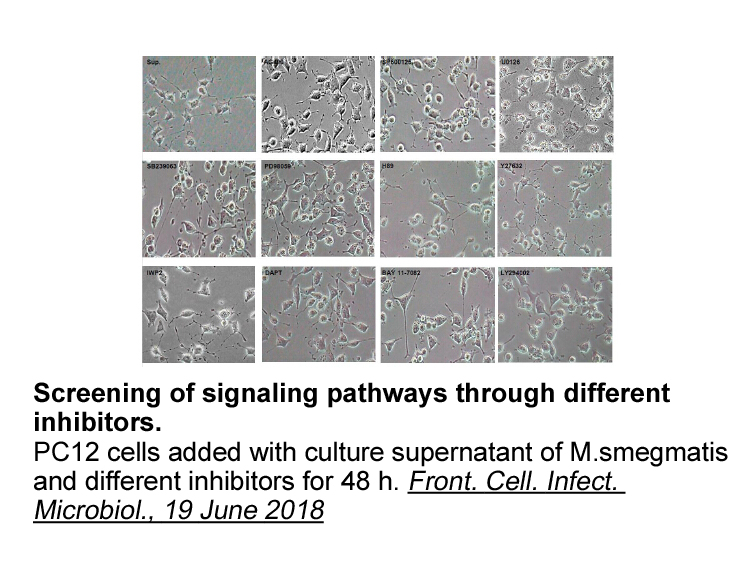
Starting from commercially available 1,4-dioxaspiro[4.5]decan-8-ol, was prepared by the synthetic sequence illustrated in . Aromatic nucleophilic substitution of 1,4-dioxaspiro[4.5]decan-8-ol, followed by an blasticidin catalyzed deprotection efficiently gave . A - enriched mixture of (/=∼3/2) wa
-
Gene expression of both GPR A and GPR in adipocytes
2021-11-10
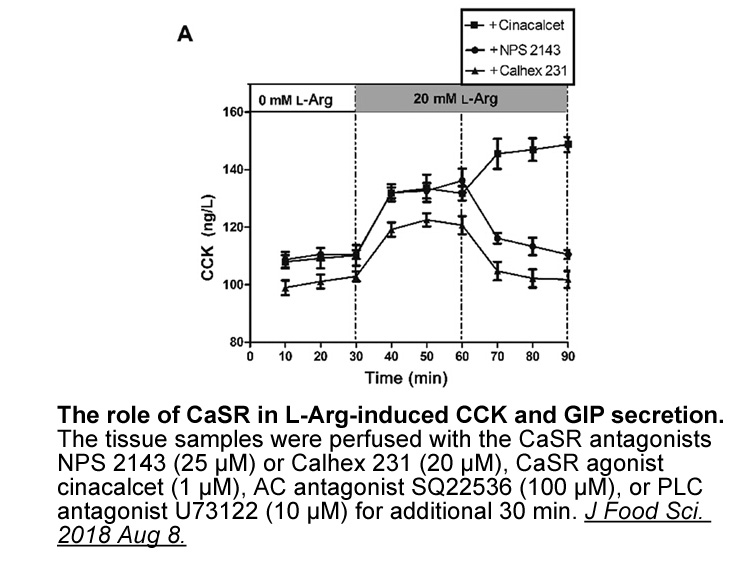
Gene expression of both GPR109A and GPR81 in adipocytes has been linked to PPARγ activation [22]. Treatment with the thiazolidinedione (TZD) PPARγ agonist, rosiglitazone, increases GPR109A and GPR81 expression, and knockdown of PPARγ suppresses receptor expression in fully differentiated human multi
-
Neurotensin synthesis Extending the issue of the species
2021-11-10
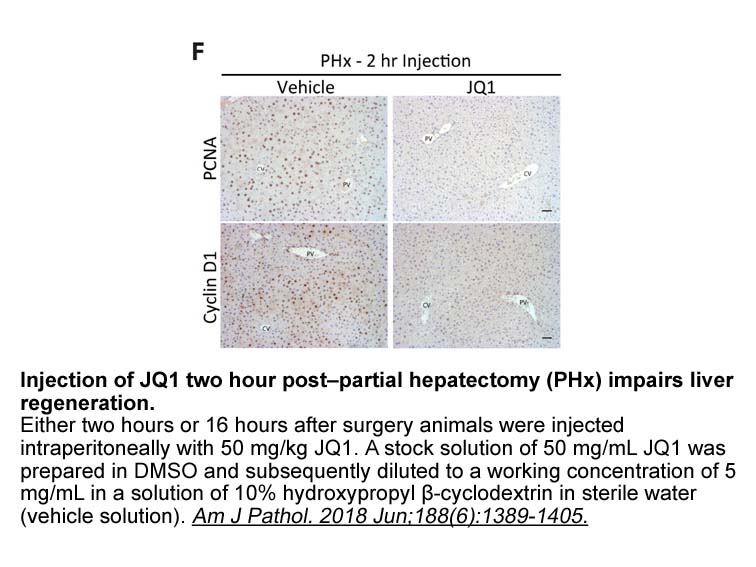
Extending the issue of the species differences, the role of neuroestradiol in the preovulatory GnRH/LH surge might be specific to primates or species with a luteal phase. For example, animals with a true luteal phase, such as monkeys and sheep, exhibit a long preovulatory GnRH surge, lasting well af
-
We next compared the enhancing effects of nM zinc on
2021-11-10
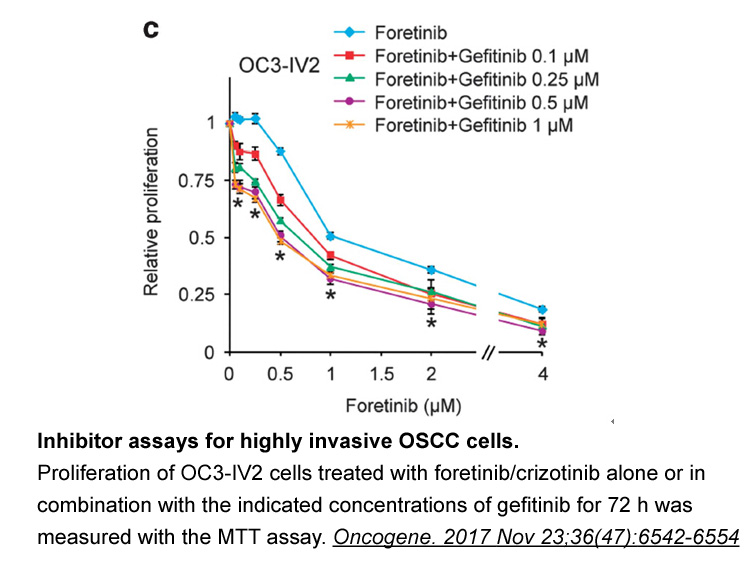
We next compared the enhancing effects of 100nM zinc on currents produced by a low concentration of glycine with zinc effects on the same currents produced by the partial agonist taurine. In this experiment, zinc was co-applied with concentrations of glycine or taurine producing 5–10% of the maximal
-
Heterocysts provide the required microoxic environment for t
2021-11-10
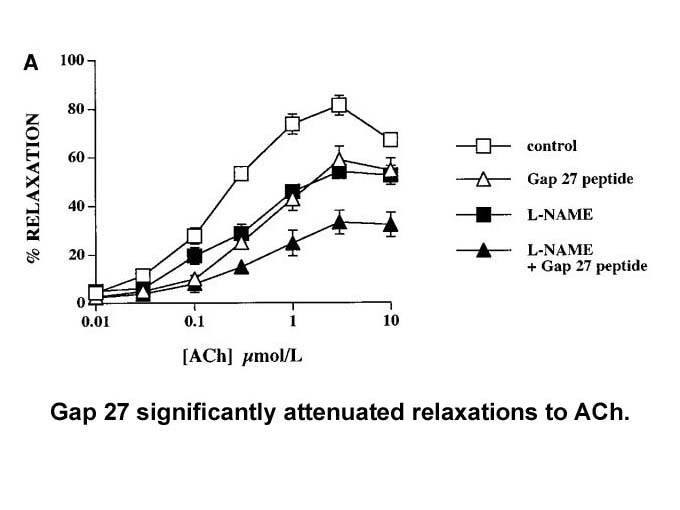
Heterocysts provide the required microoxic environment for the oxygen-sensitive N2-fixing nitrogenase enzyme complex. This environment is formed during heterocyst development. Developing heterocysts inactivate photosystem II and degrade antenna pigments, thereby decreasing oxygenic photosynthesis (F
-
br Acknowledgments br Free fatty acids
2021-11-10
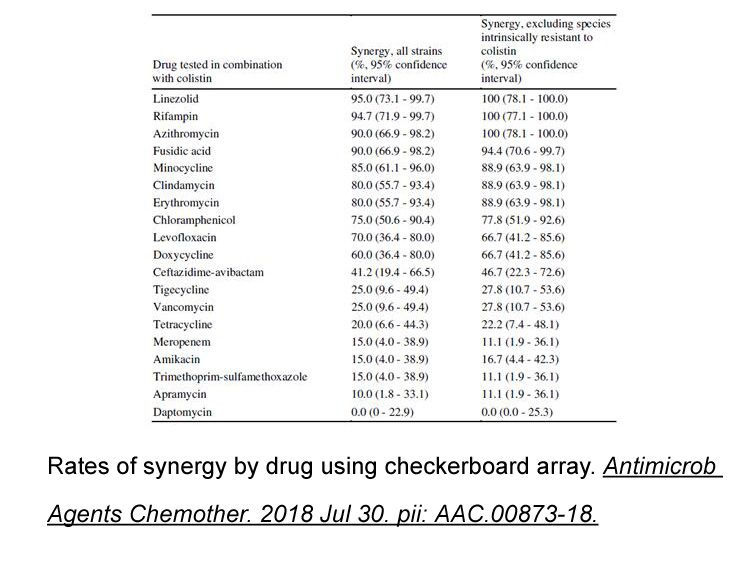
Acknowledgments Free fatty acids (FFAs) are not only essential nutritional components, but they also function as signaling molecules. Recently, a G protein-coupled receptor (GPCR) de-orphanizing strategy successfully identified multiple receptors for FFAs, which function on the cell surface and
-
The glucokinase protein sequence is most closely
2021-11-10
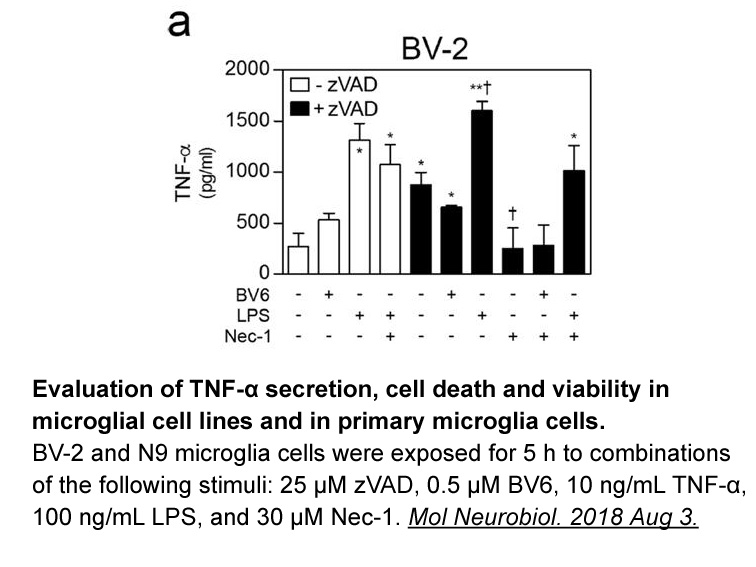
The glucokinase protein sequence is most closely related to the C-terminal domain of 100kD hexokinases, thus for glucokinase to evolve from a larger hexokinase ancestor it must have lost its N-terminal kinase domain. The genetic mechanism by which this occurred is currently unknown. Here we propose
-
br Glucocorticosteroid receptor structure and function
2021-11-10
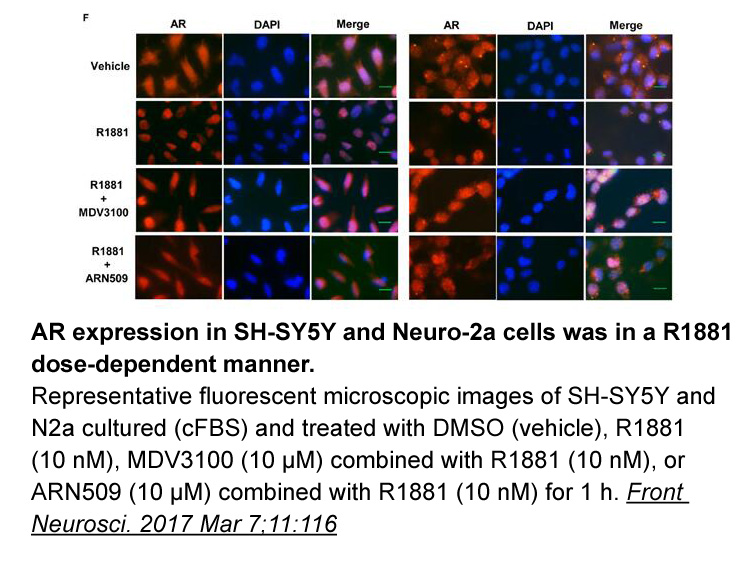
Glucocorticosteroid receptor structure and function The gene encoding for the human GR is composed of 9 exons (Oakley and Cidlowski, 2011) and the translated protein is described as having 4 functional regions. The protein contains a highly conserved central DNA-binding domain (DBD) or C-domain,
-
Rare mutations can impair the molecular function of GR and
2021-11-10
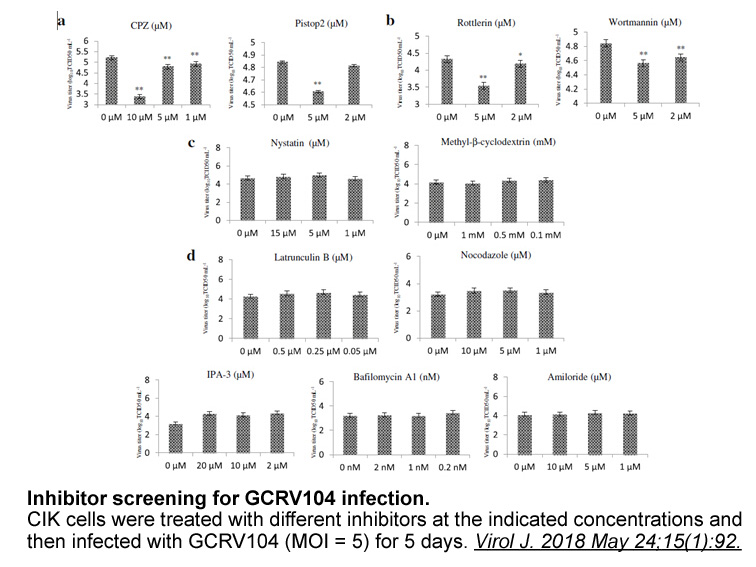
Rare mutations can impair the molecular function of GR and alter tissue sensitivity to GCs in humans, resulting in primary generalized GC resistance (PGGR) and hypersensitivity (PGGH) [14]. Familial and sporadic PGGR, or Chrousos Syndrome, is characterized by general and partial insensitivity of tis
-
Phylogenetic trees of receptors for peptides similar
2021-11-10
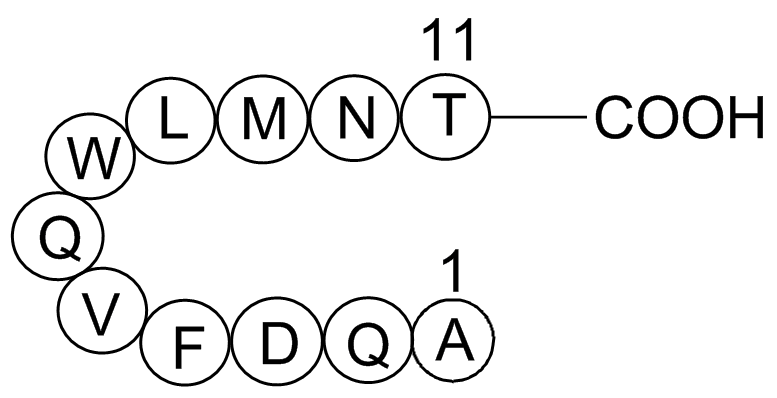
Phylogenetic trees of receptors for peptides similar to glucagon from diverse vertebrate species typically are similar to the tree presented in Fig. 3 (Sivarajah et al., 2001, Chow et al., 2004, Irwin and Wong, 2005, Cardoso et al., 2005, Cardoso et al., 2006, Ng et al., 2010, Park et al., 2013, Hwa
-
br Clinical development of FGFR inhibitors in breast cancer
2021-11-10

Clinical development of FGFR inhibitors in breast cancer The rationale to explore the role of FGFR inhibitors in patients with breast cancer comes from a variety of sources. These include genomic aberrations frequently identified in the FGF/FGFR pathway in breast cancer, the increased sensitivity
-
Although our knowledge of how FAs affect GLP producing
2021-11-10

Although our knowledge of how FAs affect GLP-1-producing L-cells is sparse and incomplete, increased intracellular ceramide [6], ER stress [12], and increased production of ROS [9] are indicated mediators of the lipotoxicity induced by SFA (16:0). However, the role for/interaction between these medi
-
Magtanong et al have demonstrated that MUFAs induce a ferrop
2021-11-10
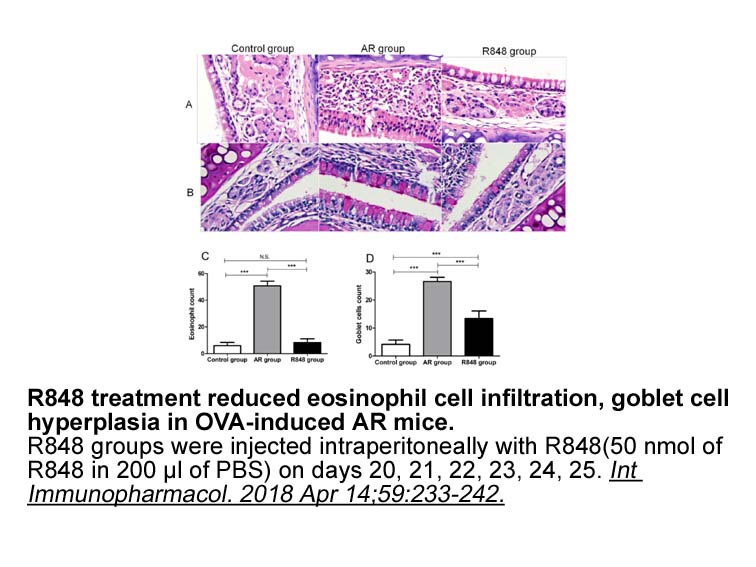
Magtanong et al. (2019) have demonstrated that MUFAs induce a ferroptosis-resistant state in cells in an ACSL3 (acyl-CoA synthetase long-chain family member 3) dependent manner. They observed that MUFAs did not increase the expression of GPX4, which opposes ferroptosis. However, they blocked plasma
-
DMPO br Materials and methods Unless stated otherwise all ch
2021-11-10
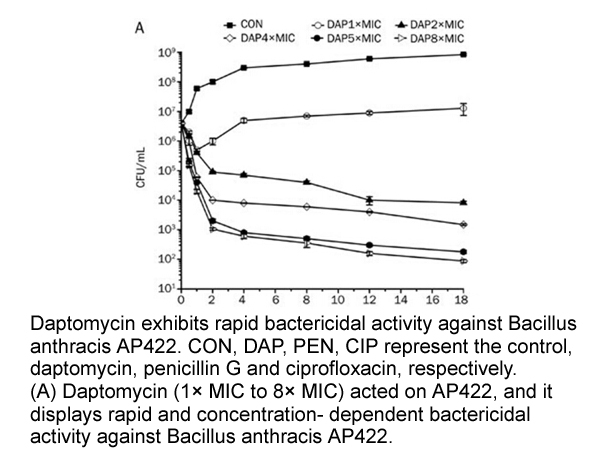
Materials and methods Unless stated otherwise, all chemicals were from Sigma-Aldrich and were of the cell culture grade. HL-1 cardiomyocytes were presented by Dr. W.C. Claycomb (Louisiana State University Health Science Center, New Orleans, LA, USA) [8]. Results and discussion Acknowledgeme
14597 records 555/974 page Previous Next First page 上5页 551552553554555 下5页 Last page