Archives
- 2026-07
- 2026-06
- 2026-05
- 2026-04
- 2026-03
- 2026-02
- 2026-01
- 2025-12
- 2025-11
- 2025-10
- 2025-09
- 2025-03
- 2025-02
- 2025-01
- 2024-12
- 2024-11
- 2024-10
- 2024-09
- 2024-08
- 2024-07
- 2024-06
- 2024-05
- 2024-04
- 2024-03
- 2024-02
- 2024-01
- 2023-12
- 2023-11
- 2023-10
- 2023-09
- 2023-08
- 2023-07
- 2023-06
- 2023-05
- 2023-04
- 2023-03
- 2023-02
- 2023-01
- 2022-12
- 2022-11
- 2022-10
- 2022-09
- 2022-08
- 2022-07
- 2022-06
- 2022-05
- 2022-04
- 2022-03
- 2022-02
- 2022-01
- 2021-12
- 2021-11
- 2021-10
- 2021-09
- 2021-08
- 2021-07
- 2021-06
- 2021-05
- 2021-04
- 2021-03
- 2021-02
- 2021-01
- 2020-12
- 2020-11
- 2020-10
- 2020-09
- 2020-08
- 2020-07
- 2020-06
- 2020-05
- 2020-04
- 2020-03
- 2020-02
- 2020-01
- 2019-12
- 2019-11
- 2019-10
- 2019-09
- 2019-08
- 2018-07
-
In conclusion over expression of Stokesia epoxygenase SlEPX
2020-11-25
In conclusion, over-expression of Stokesia epoxygenase (SlEPX) in soybean seeds led to some unusual seed phenotypes. These effects can be overcome by coexpression of Vernonia DGATs (VgDGAT1 & 2). The DGATs can specifically transfer vernolic SC 79 into TAG, largely reducing vernolic acid levels in m
-
DHODH activity has been traditionally measured with
2020-11-25
DHODH activity has been traditionally measured with the standard colorimetric assay that monitors 2,6-dichloroindophenol (DCIP) reduction as absorbance decrease at 600 nm . This assay has permitted the identification of several families of DHODH inhibitors in a successful high-throughput screening (
-
MTX and MTXPGs block the activity of the key
2020-11-25
MTX and MTXPGs block the activity of the key enzyme DHFR (Fig. 1), which converts folates to their active forms – dihydrofolate (DHF) and tetrahydrofolate (THF). MTXPGs also potently inhibit thymidylate synthase (TS). Furthermore, during dTMP synthesis, TS utilizes the cofactor 5,10-methylene THF, w
-
For a physiologically relevant interaction ligand and recept
2020-11-25
For a physiologically relevant interaction, ligand and receptor have to be expressed in the same place. Collagen II is found primarily in cartilage. DDR2 is expressed in proliferating chondrocytes in vivo, and its staining pattern in tibial growth plates is similar to that of collagen II. In additio
-
br Materials and Methods br
2020-11-25
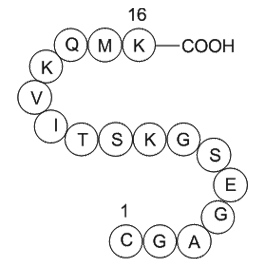
Materials and Methods Acknowledgements Introduction The extracellular matrix (ECM) is a dynamic structure that acts as a scaffold for the mechanical support of multicellular organisms. It is responsible for the organisation of different tissues and regulates critical events in development a
-
Imidazo purine diones were another cluster of compounds
2020-11-25
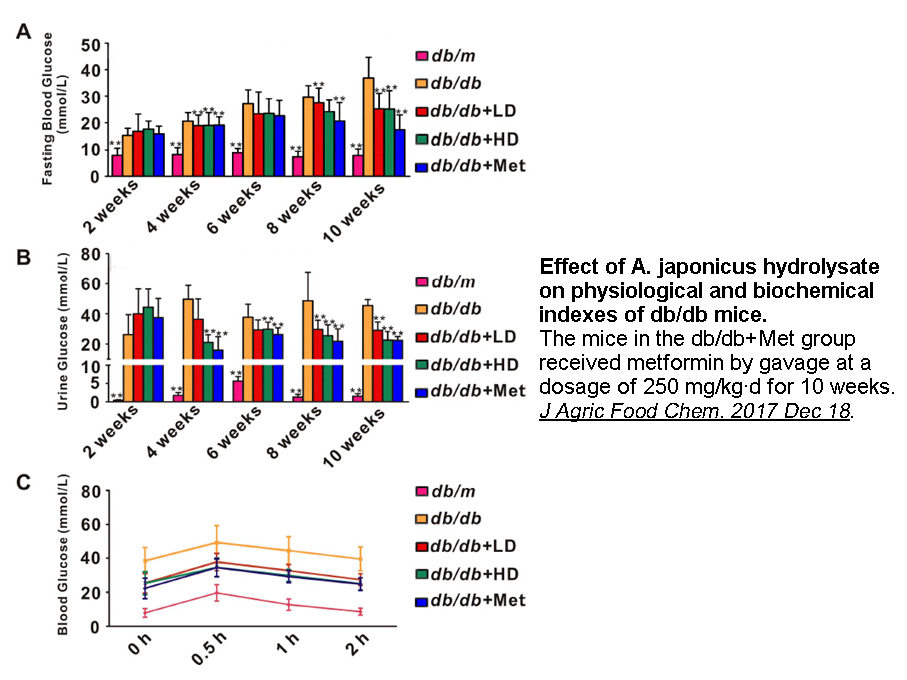
1-Imidazo[2,1-]purine-2,4(3,8)-diones were another cluster of compounds identified from the Chembridge screen (). A benzyl group at the R2 position was preferred over a phenyl or 2-phenylpropyl (. and ), and -substitution of the benzyl group increased potency to the nanomolar level ( IC=0.20μM . ).
-
HvPap a member of the cathepsin F like family was
2020-11-25
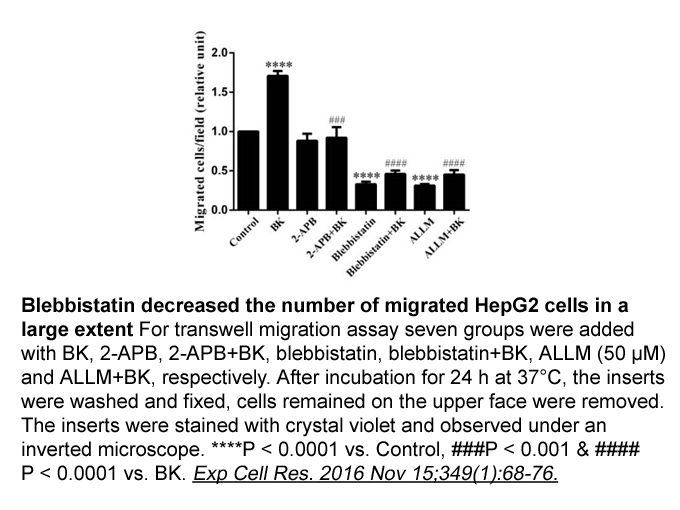
HvPap-1, a member of the cathepsin F-like family, was identified in germinating barley seeds (Sreenivasulu et al., 2008). This enzyme participates in the mobilization of stored proteins (mainly hordeins) during the last phase of grain germination, and its activity is modulated by a propeptide or/and
-
Among prostaglandins PG PGD remained the most elusive specie
2020-11-24
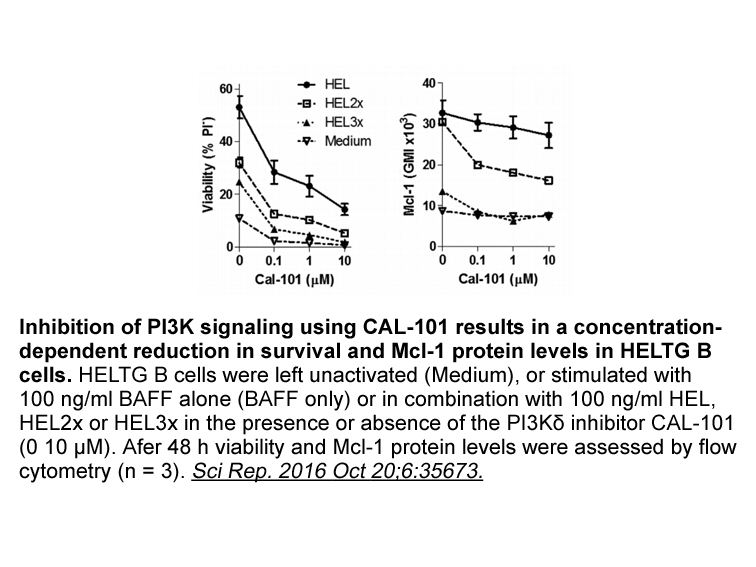
Among prostaglandins (PG), PGD2 remained the most elusive species for a long time and was initially regarded as having negligible biological activity [1]. In 1974 its inhibitory effect on platelet aggregation was discovered by Smith et al. [2] and Mills & McFarlain [3], and both pressor and depresso
-
One significant finding in this study
2020-11-24
One significant finding in this study was the overexpression of a protein identified as LysM domain/BON superfamily protein [29], [30]. This protein was highly overexpressed in the meropenem-treated condition. InterProScan analysis revealed that the LysM domain/BON superfamily protein consisted of t
-
br Conclusion br Introduction The morphological variability
2020-11-24
Conclusion Introduction The morphological variability of aquatic plants is well documented, and in some cases has seriously constrained taxonomic resolution (Sculthorpe, 1967, Santamaría, 2002). Many of these variations are caused by the extensive phenotypic plasticity of aquatic plants, but t
-
Recently we have created CRISPR Cas mediated
2020-11-24
Recently, we have created CRISPR/Cas9-mediated col14a1a knockout fish to interrogate the function of col14a1a during regeneration using the caudal fin model. Using AFM, we showed that collagen XIV-A transiently acts as a molecular spacer responsible for BM biomechanics possibly by helping laminins i
-
Introduction Hepatocarcinoma is a common and aggressive form
2020-11-24

Introduction Hepatocarcinoma is a common and aggressive form of cancer (Trad et al., 2017). Due to a high rate of postoperative recurrence and metastasis, the prognosis for HCC remains dismal (Wang et al., 2017a, 2017b). Subclinical metastasis is the major cause responsible for tumor recurrence and
-
Since PTKs are involved in numerous aspects of cell
2020-11-24

Since PTKs are involved in numerous aspects of cell function, their regulation is critical for cell survival and function. The carboxyl-terminal tyrosine of Src-family PTKs is a key site of regulation. Phosphorylation on this carboxyl-terminal tyrosine contributes to the induction of a conformationa
-
In mouse lung arsenite enhances the formation of cigarette s
2020-11-24
In mouse lung, arsenite enhances the formation of cigarette smoke-induced 8-oxodeoxyguanine (Hays et al., 2006) and BaP-induced DNA adducts (Evans et al., 2004). Moreover, arsenite inhibits the repair of BaP-induced DNA adducts in human lung carcinoma A549 A 804598 (Schwerdtle et al., 2003), indica
-
br Chk and Chk mediated signaling
2020-11-24
Chk 1 and Chk 2 mediated signaling act as a barrier to tumorigenesis It was hypothesized recently that early events during tumorigenesis, such as the overexpression of oncogenes, lead to a DNA-damage response which, in turn halts tumor progression [44], [45], [46]. The DNA-damage response is prop
14593 records 753/973 page Previous Next First page 上5页 751752753754755 下5页 Last page